
Bagenalstown
Bagenalstown, also known as Muine Bheag in Irish (meaning “small Thicket”) is situated in the beautiful Barrow Valley in the county of Carlow, Ireland. It was founded by Lord Walter Bagenal (1670 – 1745) who was a member of the prominent Bagenal family, who resided in Dunleckney Manor, Co. Carlow. The town sprang up within the townland of Moneybeg, or Muine Bheag in Irish (meaning “small thicket”). In the 18th century there was a small hamlet there. Walter Bagenal decided to build a town on the site, named “New Versailles” and modelled after Versailles in France.
The town only began to grow and prosper with the arrival of the railway in 1848. The design of the station has been attributed to William Deane Butler. It was permanently closed for goods traffic on 6th September 1976 and re-named “Muine Bheag” in 1988. It was designed and constructed using both limestone and granite and is known as one of Ireland’s finest. To this day the station remains charming with its original features largely untouched.
In 1911, Bagenalstown became the first town in Ireland to install dual language street signs, which are still in use today. The motto on the town’s coat of arms is “The Irrepressible Number” and its Irish equivalent Uimhir Gan Choisc.
However, shortly after the building began the coach route from Dublin was changed so that coaches now crossed the River Barrow at Leighlinbridge instead. Bagenal abandoned his plans, having built only a courthouse, which is now a public library.
Bagenalstown which was once a mill town made extensive use of the river barrow to transport coal, turf, grain, beet, and Guinness by barge.
In 1911 the town became the first in Ireland to install dual language street signs, which remain in place today. In the aftermath of Ireland’s independence in 1920, the town commissioners chose to drop the English name “Bagenalstown” in favour of the Irish Muine Bheag.
The decision proved an ineffective one, and “Bagenalstown” remains in common use among locals. In a 1975 plebiscite 77% of residents polled voted to change the name back, but the proposal failed due to insufficient voter turnout.
The motto on the town’s coat of arms is “The Irrepressible Number” and its Irish equivalent Uimhir Gan Choisc.
Local Businesses
Things to See & Do in Bagenalstown
Local Attractions:
Bagenalstown is a pretty town, with stunning riverside walks and a picturesque lock.
Dunleckney Manor: dating back to the 17th century, the manor was the ancestral home of the Bagenal family. The manor boasts an elaborate, beautifully restored staircase made from medieval woodwork salvaged from St. Canice’s Cathedral in Kilkenny. Visitors may walk through the gardens, which contain a magnificently restored avenue of lime trees that were neglected and largely extinct in the 18th century.
Ballyloughan Castle: The castle was likely built in the 1300s and consists of a large courtyard with a curtain wall. The courtyard is surrounded by a moat and only a small square tower remains. The entrance gate, which flanked by two large, rounded towers, is all that remains of the original property. The castle passed from several owners before coming into the ownership of the Bruen family in the nineteenth century. Nowadays, there is no access to the castle, but it may be viewed from a nearby gate adjacent to the property.
Ballymoon Castle: situated 3.5 km east of Bagenalstown, Ballymoon Castle dates back to the 14th century and is thought to have been built by Roger Bigod, 5th Earl of Norfolk, or the Carew family. The Castle is an impressive sight, with its high walls and formidable gatehouse. It comprises a large courtyard about 80 feet square and is surrounded by granite walls, 8 feet thick and 20 feet high with square towers on three sides. The interior of the castle is now bare but the foundations show where some of the original structures would have been built. The castle is accessible to the public from the R724 Bagenalstown – Fenagh road with access via a small wooden bridge over a ditch.
Wells Church: the ruins of Wells Medieval Church are an impressive piece of architecture that dates back to the mid-13th century. The church is believed to have been built around this time, though there has been a lot of restoration in more recent times. The visible remains consist of a long nave and chancel, part of the east wall and all the south wall exists and the north wall has been rebuilt. The church is surrounded by a beautifully maintained enclosed graveyard which is still in use today and has an impressive array of ornate headstones dating from the 1700s.
Carlow Brewing Company: Carlow Brewing Company, also known as O’Hara’s Brewery, is an independent, family-owned and operated business that has established itself as a leader in Irish craft brewing. O’Hara’s is proud to be an important part of Ireland’s brewing history; the Barrow Valley region where the Carlow Brewery is located has a long and storied history in the Irish brewing industry.
Sports:
For those who love the outdoors, Carrigbeg Stables provides riding lessons for beginner and experienced riders and is AIRE approved. The stables are located just of the Bagenalstown to Myshall road.
Cyclists can take advantage of and enjoy the local scenery with the local cycling tour operator.
Anglers can enjoy fishing in the river Barrow. The river has good stocks of various coarse fish species. There are several prepared coarse fishing stands in the area.
Bagenalstown Swimming Club is a long-established voluntary club, located in idyllic surroundings. A heated paddling pool and a 25m pool give all swimmers the chance to progress and enjoy swimming in a relaxed, safe climate.
The McGrath Complex offers excellent sporting facilities including cricket, football fields, hurling, soccer pitch, and a tennis court.
Bagenalstown AFC is the soccer club. The club’s teams compete in the Carlow and District Football League.
Bagenalstown Gaels, the newest club in the county, is the amalgamation of St Andrew’s, Erin’s Own, and juvenile outfit Muinebheag.
The Barrow Way Walk
The ‘Barrow Way’ is a long-distance walking trail which follows the original towpath of the River Barrow. Originally the towpath was used for the pulling of barges and boats by horse. It is one of Ireland’s most scenic long-distance trails covering 114 km or 70 miles. It starts at Lowtown, Co. Kildare and ends in St. Mullins, Co. Carlow and the path takes in the towns of Monasterevin, Athy, Carlow, Leighlinbridge, Bagenalstown, Goresbridge, Graiguenamanagh and St Mullins.
The full route of the walk takes four days, but it can be divided into more manageable stretches and made into a series of day trips, which are especially enjoyable. The route offers excellent walking, varied terrain, and is suitable for cyclists. A host of historical features are located along the route including castles, arched bridges, derelict mills and pretty lock houses, some of which are still in use.
Stage 4 of the route, Carlow to Bagenalstown, consists of a 16km (10 miles) stretch.
Milford, located approx. 7km south of Carlow, is a beautiful place to visit. With three bridges, mills, and a large, wooded area, it unique, idyllic location is famous as an aquatic triangle where you can spot herons and kingfishers. There are also many historical sites and castles nearby such as Black Castle at Leighlinbridge and this stage ends in the pretty, historic town of Bagenalstown which has several local attractions.
Local News

KCLR 96FM Roadshow visits Muine Bheag
The KCLR 96FM Roadshow was welcomed to Muine Bheag on Friday last 18th June, where the Broadcast team focused on meeting with local business owners and operators. The focus of the tour is on #shoplocal, reminding people across the counties and region of the...
Bagenalstown Swimming Club
Bagenalstown Swimming Club has reopened. The club will be open seven days a week, with each session lasting for 1 hour commencing from 11am and running through until 9pm. The pool will close following each session to allow for cleaning and sanitising of the pool and...

Summer Stars 2021
Carlow County Library has announced the return of Summer Stars. Registration opened for all children from Monday 14th June and the programme is FREE. The summer reading programme is available through all all of the Carlow libraries! Incentives along the way include...
Free Live summer BBQ event with Catherine Fulvio tonight at 8pm
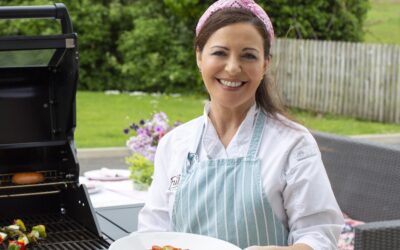
The Environment department of Carlow County Council have joined forces with 14 other Local Authorities and the EPA’s Stop Food waste programme to deliver a suite of simple tools and techniques to help you enjoy summer alfresco dining and BBQing while ensuring you to...

Show your support for Local in Carlow
The importance of supporting our local economy now and into the future is vital to ensuring the continued success and growth of our communities and towns. Love Carlow is focused on helping you connect with businesses and organisations right across the county while...
POWERHOUSE Network Opportunities for Carlow Women in Business
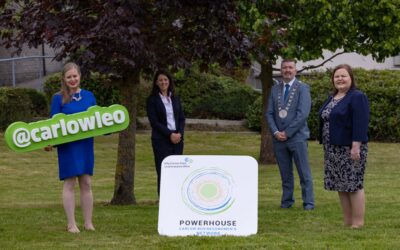
County Carlow has a new Women in Business Network called “Powerhouse” which is being co-ordinated by the team in Carlow County Council’s – Local Enterprise Office Powerhouse - Carlow Businesswomen’s Network is being launched by Carlow Local Enteprise Office and ...
Callout for County Carlow craft makers, designers and creatives to apply for international opportunities
A call has been put out for Craft makers, designers and creative professional to apply to be part of the Craft Hub activities. The first activities for Craft Hub are Maker Exchange Residencies which are a central part of the newly funded EU Craft Hub project which...

Royal Oak welcomes new Ice Cream Parlour
Doyle's of the Royal Oak have opened their newly developed Ice Cream Parlour at their store. The bespoke space has an extensive outdoor seating area for customers to relax and enjoy their wide selection of ice creams, coffees, smoothies and milkshakes. For more...

Chamber 11am Coffee Breaks
The popular Chamber 11am Coffee Breaks are set to continue from Monday next 21st June following a short break, with the next few events in the series being hosted by Chamber Ambassador Eoin Kehoe. The Coffee Breaks are held fortnightly on a Monday via Zoom and ae...